Reviewed for technical accuracy by Joe Whitehill, Technician at SPR Vent Cleaning — family-owned, 12+ years, 6,000+ homes served across Central New Jersey.
Air ducts are mostly out of sight, so homeowners often receive two extreme answers: “clean them every year” or “never clean them.” Neither is useful. The right decision depends on what is actually happening inside the system, whether the HVAC components are contaminated, and whether a source such as moisture or construction dust has been corrected.
This guide explains when an inspection makes sense, what a complete cleaning should cover, and how Central New Jersey homeowners can avoid paying for a service they do not need.
How often should air ducts be cleaned?
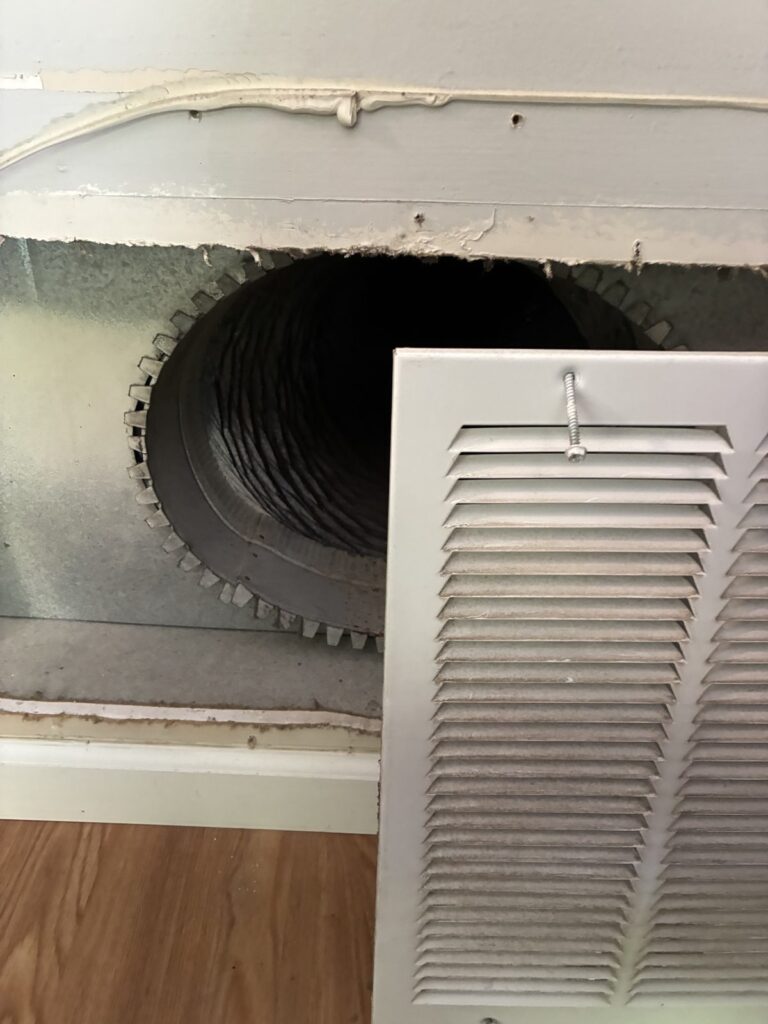
Condition matters more than a fixed interval. EPA guidance does not recommend routine duct cleaning on a set schedule. Instead, it advises homeowners to consider cleaning when there is substantial visible mold growth inside hard-surface ducts or HVAC components, evidence of rodents or insects, or excessive dust and debris that is actually being released into the home.
Some households choose to have the system inspected after several years, but an inspection is not the same as automatically authorizing a full cleaning. A responsible technician should be able to show what they found and explain why the condition justifies the work.
| A closer look is reasonable when… | Do not assume cleaning is the answer when… |
|---|---|
| Dust or debris is visibly blowing from supply registers | There is only a light, normal coating of settled household dust |
| A renovation created heavy drywall, sawdust, or demolition dust | The real problem is an overdue filter change or an air leak |
| There is verified pest activity or nesting in the duct system | A seller promises that cleaning will cure allergies or every odor |
| Moisture or visible growth is present and the moisture source is being corrected | No one has inspected the system or shown evidence of contamination |
Six situations that can justify an inspection
1. After dusty renovation or construction work
Drywall sanding, floor refinishing, demolition, and cutting materials can produce fine dust. EPA prevention guidance recommends sealing supply and return registers during dusty construction and avoiding HVAC operation until cleanup is complete. If the system ran during the project, an inspection can determine whether dust traveled into the returns, trunk lines, blower compartment, or coils.
2. When debris comes out of the registers
A dirty register face is not proof that the entire system needs cleaning. Visible puffs or particles released when the blower starts are more meaningful. Document where and when it happens, then ask the technician to inspect both the affected run and the upstream components.
3. After rodents or insects have entered the system
Pest activity needs two solutions: remove the contamination and close the entry point. Cleaning without pest control can leave the cause untouched. If droppings or nesting material may be present, avoid disturbing it yourself and ask what containment and disposal procedure will be used.
4. When moisture is present
Moisture is a warning sign because it can support biological growth. The source may be a leak, condensation, a clogged drain pan, poor insulation, or an oversized cooling system that does not remove humidity effectively. Cleaning alone will not prevent recurrence; the moisture problem must be corrected.
5. When you move into a home with an unknown history
A new-home purchase does not automatically require duct cleaning. It may justify an inspection if the prior occupants smoked indoors, kept many shedding pets, completed renovations, or left visible debris. Ask for evidence before deciding.
6. When the HVAC system is being serviced for a related problem
Uneven airflow, repeated dust buildup, or unusual odors can have several causes. A clogged filter, disconnected duct, dirty coil, or moisture issue may matter more than the duct walls themselves. Coordinating the inspection with HVAC service can keep the diagnosis focused on the full system.
What a thorough air-duct cleaning should cover
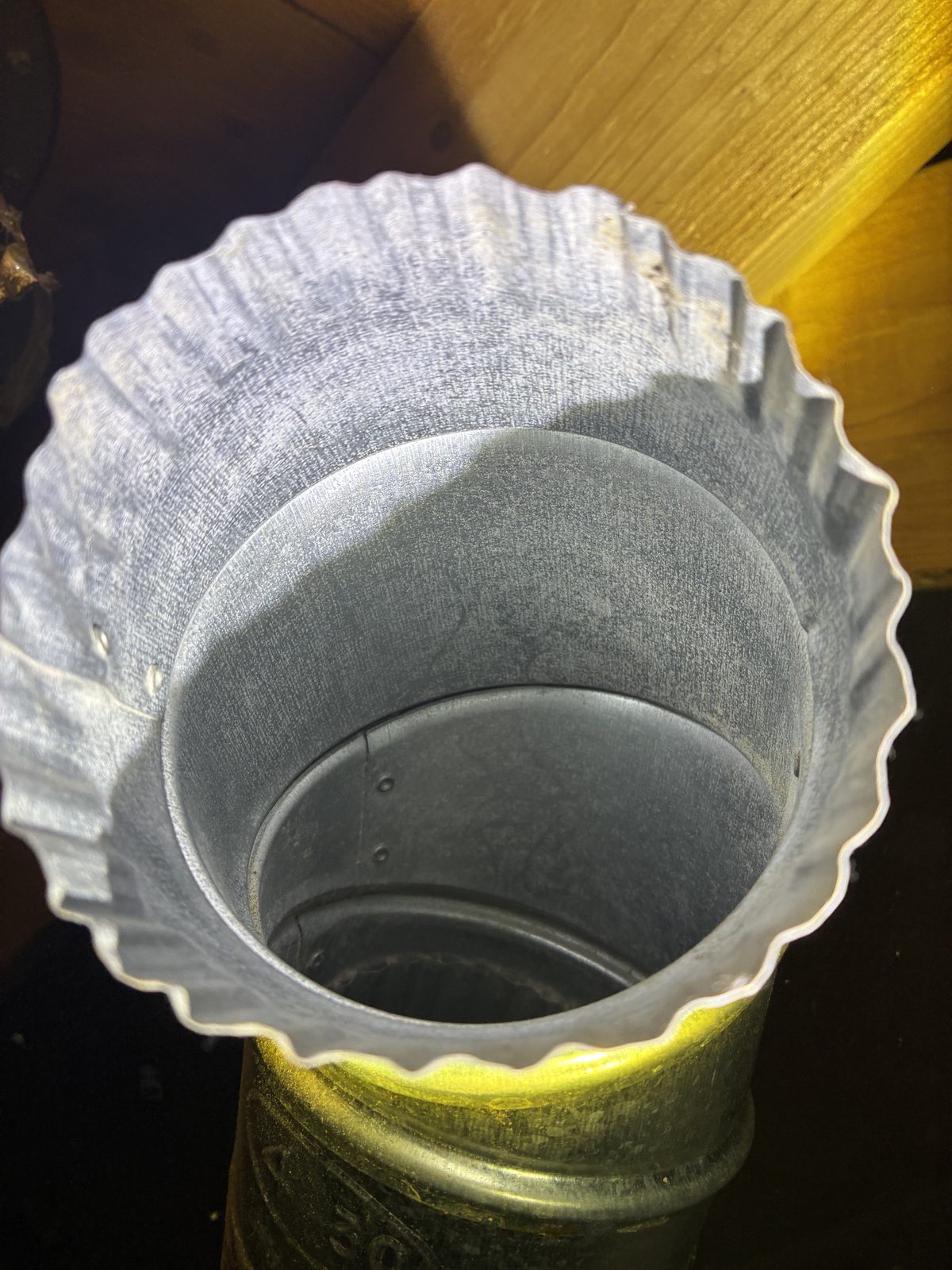
“Duct cleaning” should not mean vacuuming the register openings and leaving. EPA describes the service as cleaning the components of a forced-air system, which may include supply and return ducts, registers, grilles, diffusers, heat exchangers, coils, drain pans, the fan motor and housing, and the air-handler housing.
The exact scope depends on the system and the reason for cleaning. Before work starts, ask for a written description of:
- Which supply and return sections are included.
- How debris will be dislodged and captured.
- Whether the vacuum exhausts outside or uses suitable high-efficiency filtration indoors.
- How carpets, furniture, pets, and occupied rooms will be protected.
- How access openings will be sealed after cleaning.
- What before-and-after evidence will be provided.
Be cautious with automatic add-ons. EPA notes that chemical biocides, ozone, sealants, and encapsulants raise separate questions and should not be treated as a default part of every cleaning. Ask what product is proposed, why it is needed, where it may legally be used, and what nonchemical alternatives exist.
Can air-duct cleaning improve indoor air quality?
It is important not to overpromise. EPA says duct cleaning has not been shown to prevent health problems, and studies do not conclusively show that routine cleaning lowers particle levels in every home. Much of the dust inside ducts adheres to surfaces instead of entering occupied rooms.
That does not mean cleaning is never useful. Removing a documented buildup, pest debris, or renovation dust addresses a real source. But indoor air quality also depends on source control, ventilation, filtration, humidity, housekeeping, and proper HVAC maintenance. Anyone promising that one cleaning will “cure allergies” is making a claim the evidence does not support.
What New Jersey homeowners can do between visits
- Use the highest-efficiency filter your equipment manufacturer recommends.
- Replace filters when dirty; homes with pets or heavy use may need more frequent checks.
- Do not let air bypass the filter through gaps around the holder.
- Keep cooling coils and drain pans maintained and draining correctly.
- Repair water intrusion promptly and investigate condensation.
- Seal registers during dusty renovations and keep the HVAC system off during the mess when practical.
- Vacuum register covers and surrounding surfaces without pushing debris deeper into the duct.
Questions to ask before hiring a duct cleaner
- What evidence shows my system needs cleaning?
- Which components are included in the written estimate?
- How will you protect the home and contain debris?
- Will you show the system before and after?
- Are any chemicals proposed, and why?
- What condition would make you recommend repair or HVAC service instead?
Frequently asked questions
Does every older home need duct cleaning?
No. Age alone does not prove contamination. Older homes may deserve a closer inspection because of renovations, leaks, pests, or an unknown service history, but the decision should still be based on conditions inside the system.
Should ducts be cleaned after remodeling?
Consider an inspection if the HVAC system operated during dusty work, registers were left open, or visible construction debris entered the system. If the system was properly isolated and the home was thoroughly cleaned, full duct cleaning may not be necessary.
Can duct cleaning fix a musty smell?
Only if the odor source is in the system and the underlying cause is corrected. Moisture, a dirty drain pan, wet insulation, pests, plumbing, or building materials can all create odors. Diagnose first.
How long does air-duct cleaning take?
It varies with the number of systems, size of the home, access, duct layout, and contamination level. A written estimate should describe both the scope and expected duration rather than promising one standard time for every house.
SPR Vent Cleaning serves Ocean, Monmouth, Middlesex, and Mercer counties. Call (732) 537-8588 for a free estimate, review our air-duct cleaning service, or see real project photos.