Reviewed for technical accuracy by Joe Whitehill, Technician at SPR Vent Cleaning — family-owned, 12+ years, 6,000+ homes served across Central New Jersey.
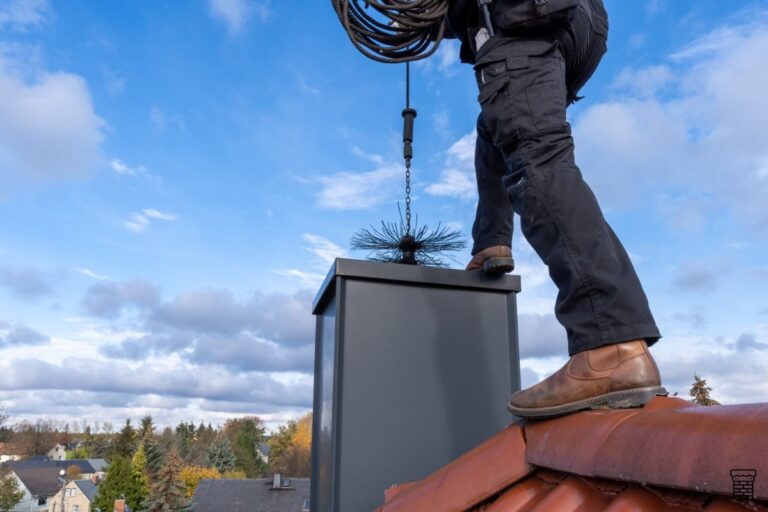
A chimney can look clean from the firebox while creosote, soot, nesting material, damage, or an obstruction exists higher in the flue. On the other hand, an annual inspection does not mean every chimney automatically needs an identical sweeping. Fuel, use, appliance type, flue design, and prior condition all matter.
For New Jersey homeowners, the best time to schedule is before the heating season, while there is time to address a problem before the first fire. If the system has changed, a chimney fire may have occurred, or the property has a new owner, do not wait for the normal annual visit.
Annual inspection; cleaning when necessary
The commonly cited NFPA 211 standard calls for annual inspection of chimneys, fireplaces, and vents for soundness, freedom from deposits, and correct clearances, with cleaning, maintenance, or repairs completed when necessary. This approach answers two separate questions:
- Is the system suitable for continued use?
- Does it need cleaning or other work now?
A sweep removes soot, creosote, and accessible obstructions. An inspection evaluates visible condition and suitability within the scope of the inspection. Neither should be represented as a guarantee against every concealed defect.
Schedule sooner when any of these conditions apply
You use the fireplace or stove frequently
More fires produce more combustion residue. Burning unseasoned wood, operating with insufficient airflow, or running low-temperature smoldering fires can contribute to faster creosote accumulation.
You bought the home or do not know the service history
Do not rely on appearance or a seller’s recollection. An inspection establishes a current baseline and can identify whether the system, appliance, or fuel use has changed.
The appliance or fuel type changed
Installing or replacing a fireplace insert, stove, furnace, or other connected appliance can change venting requirements. This may call for a more detailed inspection than routine annual service.
There may have been a chimney fire
A loud roaring sound, intense hot odor, sparks or flames from the chimney, cracked flue material, or a sudden change in draft can indicate a chimney-fire event. Stop using the system and arrange an appropriate inspection. If the event is active, leave the home and call 911.
Water, animals, or debris entered the chimney
A damaged cap, flashing leak, nest, fallen masonry, leaves, or storm debris can obstruct the flue or damage materials. Correct the source as well as the immediate blockage.
The fireplace smokes into the room
Smoke spillage can result from an obstruction, closed damper, pressure imbalance, cold flue, flue-size problem, appliance issue, or building changes. Ventilate, stop use if conditions are unsafe, and diagnose the cause rather than assuming sweeping alone will fix it.
What creosote is and why it matters
Creosote is a combustible residue created when wood-smoke compounds condense on cooler flue surfaces. It can appear flaky, tar-like, or glazed. The amount and form depend on the wood, moisture content, fire temperature, airflow, chimney design, and how the appliance is operated.
Glazed or heavy deposits can require a different removal approach from loose soot. A technician should describe the observed condition and the proposed method instead of treating every chimney as identical.
What level of chimney inspection is needed?
NFPA 211 describes different inspection levels. The appropriate level depends on why the inspection is being performed and how much of the system must be examined.
| Situation | Typical direction |
|---|---|
| Routine annual check with no system change | Often a basic inspection of readily accessible portions |
| Home sale, new appliance, fuel change, relining, or suspected hidden issue | A more detailed inspection may be appropriate, often including video scanning |
| Serious hazard or damage cannot be evaluated without access to concealed areas | An invasive inspection may be required for the affected areas |
The professional evaluating the system should explain the inspection level, scope, and limitations before work begins.
What a complete chimney-cleaning visit should address
- Protecting the room and controlling soot and debris.
- Cleaning the appropriate flue and accessible smoke chamber or connected areas included in the scope.
- Checking for obvious obstructions, deposits, and visible damage.
- Inspecting the cap or termination when safely accessible and included.
- Documenting conditions that require separate repair, relining, masonry, roofing, or appliance work.
- Explaining whether the system should remain out of use pending further evaluation.
Chimney sweeping does not automatically include masonry repair, rebuilding, relining, cap installation, or appliance service. Those are separate projects. SPR can coordinate a trusted independent service professional from its network for selected repair or building needs.
How to reduce buildup between visits
- Burn only properly seasoned firewood appropriate for the appliance.
- Do not burn trash, cardboard, treated lumber, or painted wood.
- Operate the fireplace or stove according to the manufacturer’s instructions.
- Use a spark screen and keep combustibles away from the hearth.
- Keep the chimney cap and exterior masonry in serviceable condition.
- Install and maintain smoke and carbon-monoxide alarms as required and recommended.
- Do not use chemical “chimney cleaning” products as a substitute for inspection and mechanical sweeping.
Frequently asked questions
Does a gas fireplace need chimney service?
Gas appliances produce less soot than wood fires, but their venting systems still need inspection and maintenance according to the appliance manufacturer and applicable requirements. Obstructions, corrosion, condensate, installation problems, and carbon-monoxide hazards are separate from creosote.
Can I tell from the firebox whether the chimney is clean?
No. The visible firebox is only one part of the system. Deposits, damage, or obstructions can exist in the smoke chamber, flue, connector, or termination.
When is the best time to schedule in New Jersey?
Late spring through early fall often provides more scheduling flexibility and time for any follow-up work. The important point is to complete the inspection before regular seasonal use.
What should I do after a chimney fire?
Do not use the chimney again until it has been appropriately inspected. Call 911 for an active or suspected fire, even if flames appear to have stopped.
Call SPR Vent Cleaning at (732) 537-8588 or review our chimney-cleaning service. We serve homeowners and property managers across Central New Jersey.