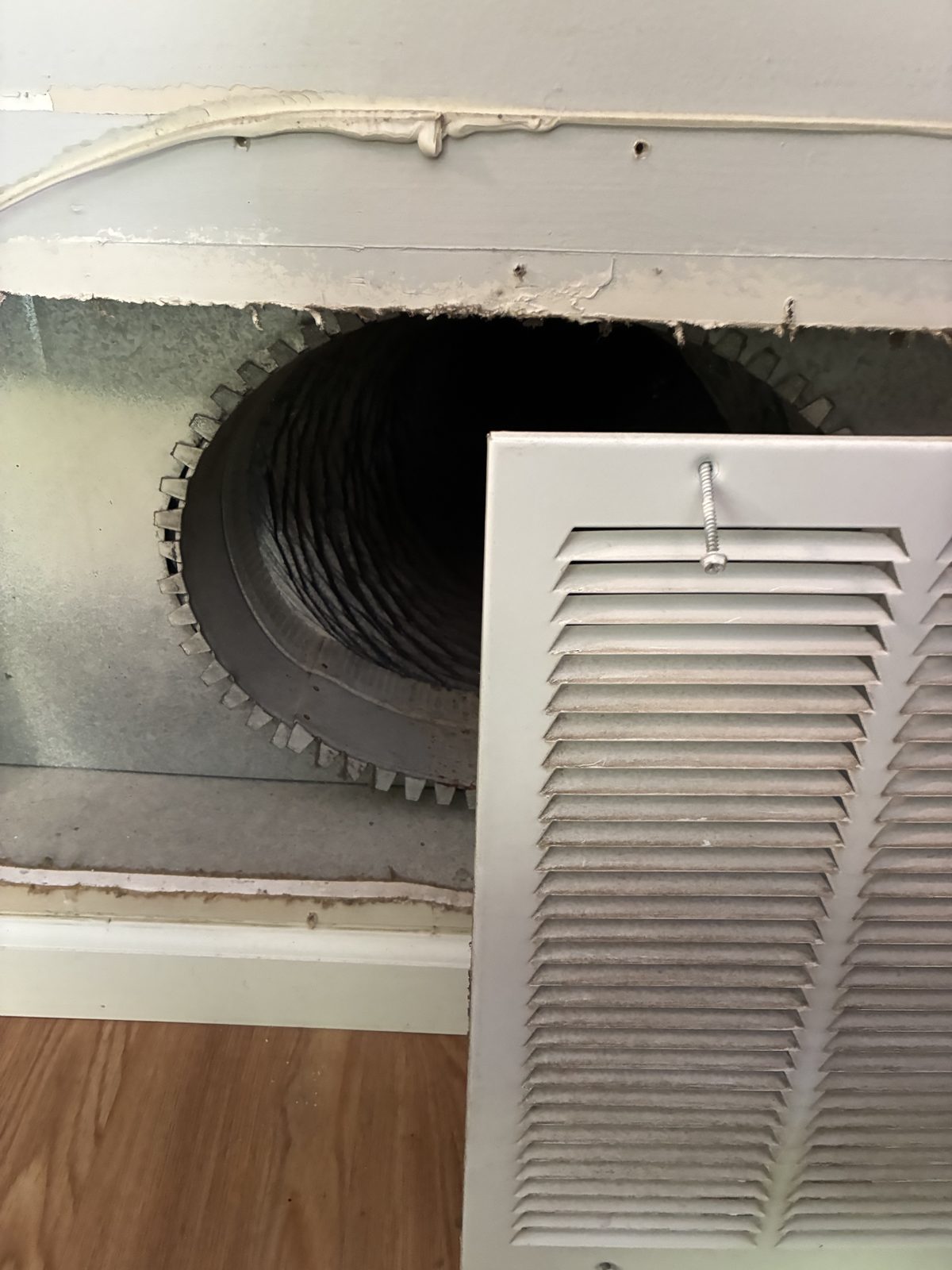
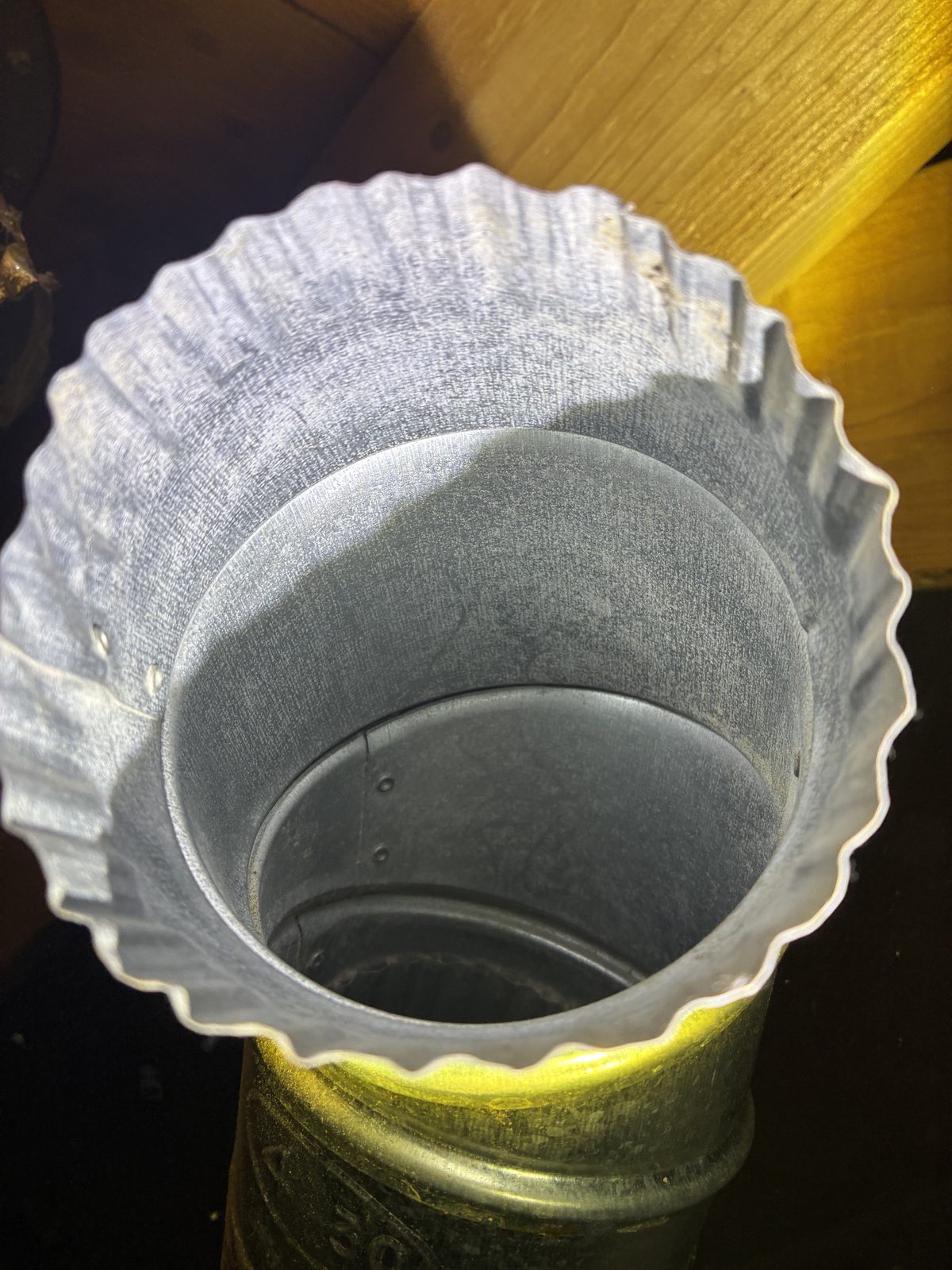
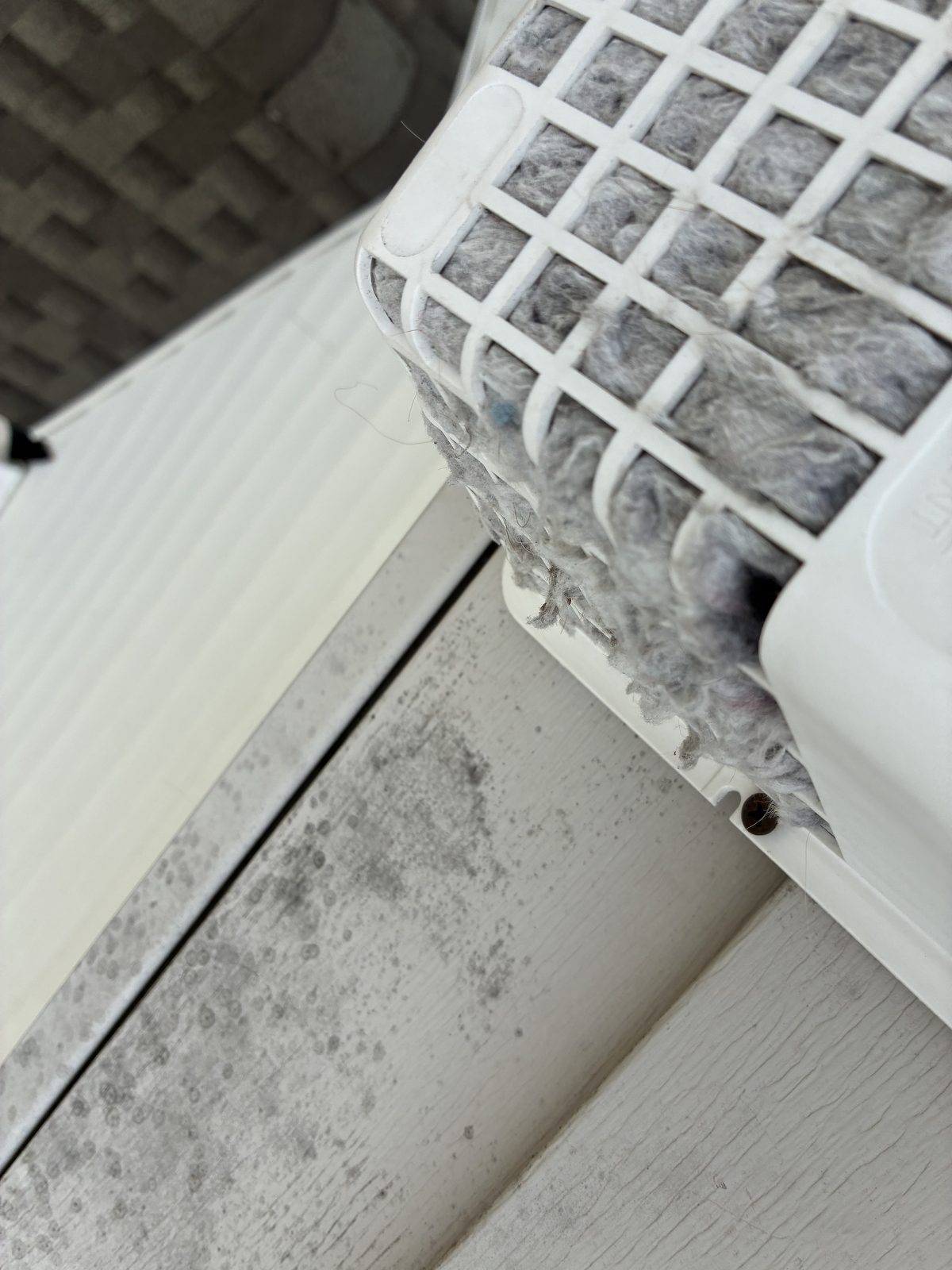
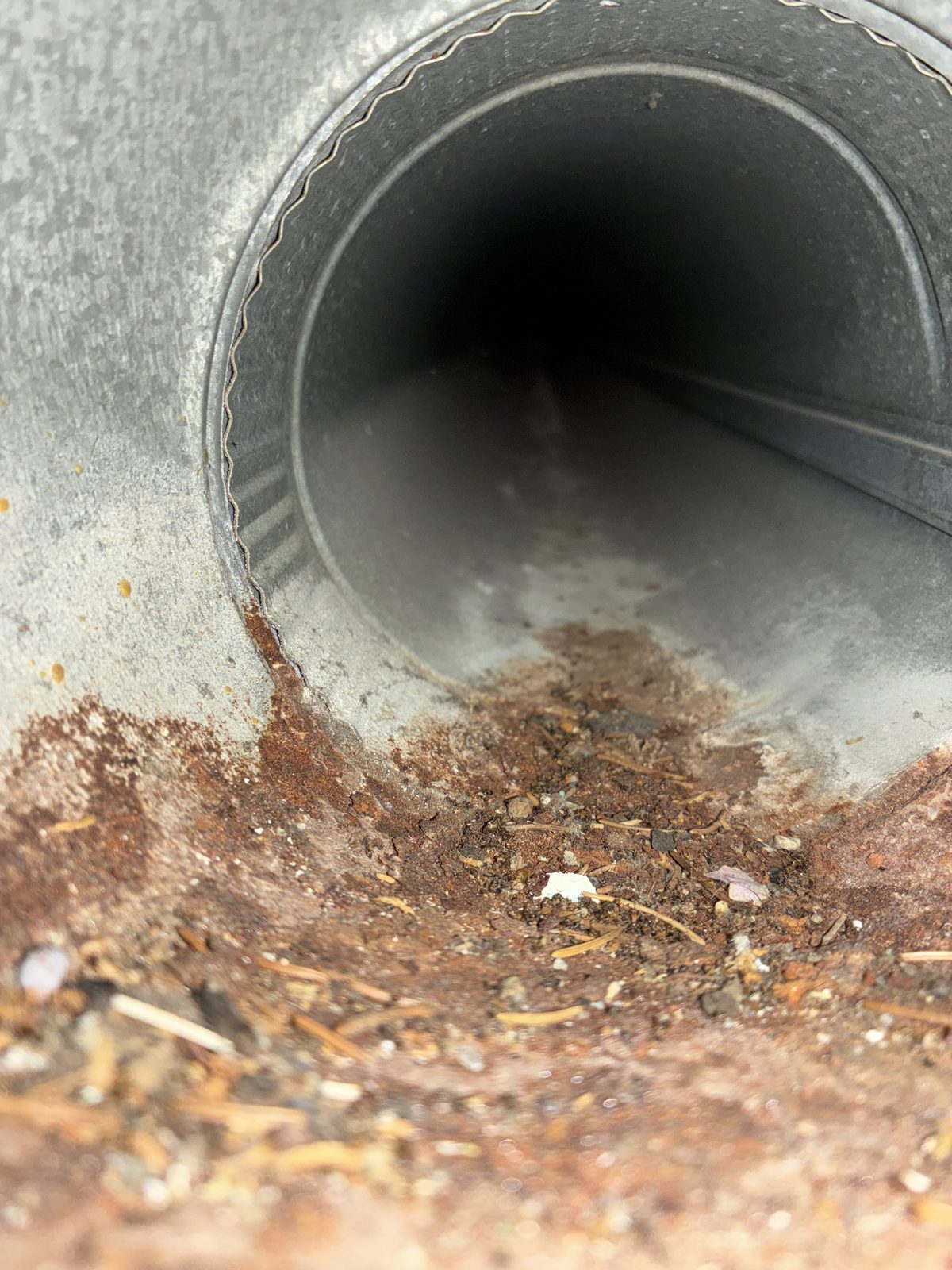
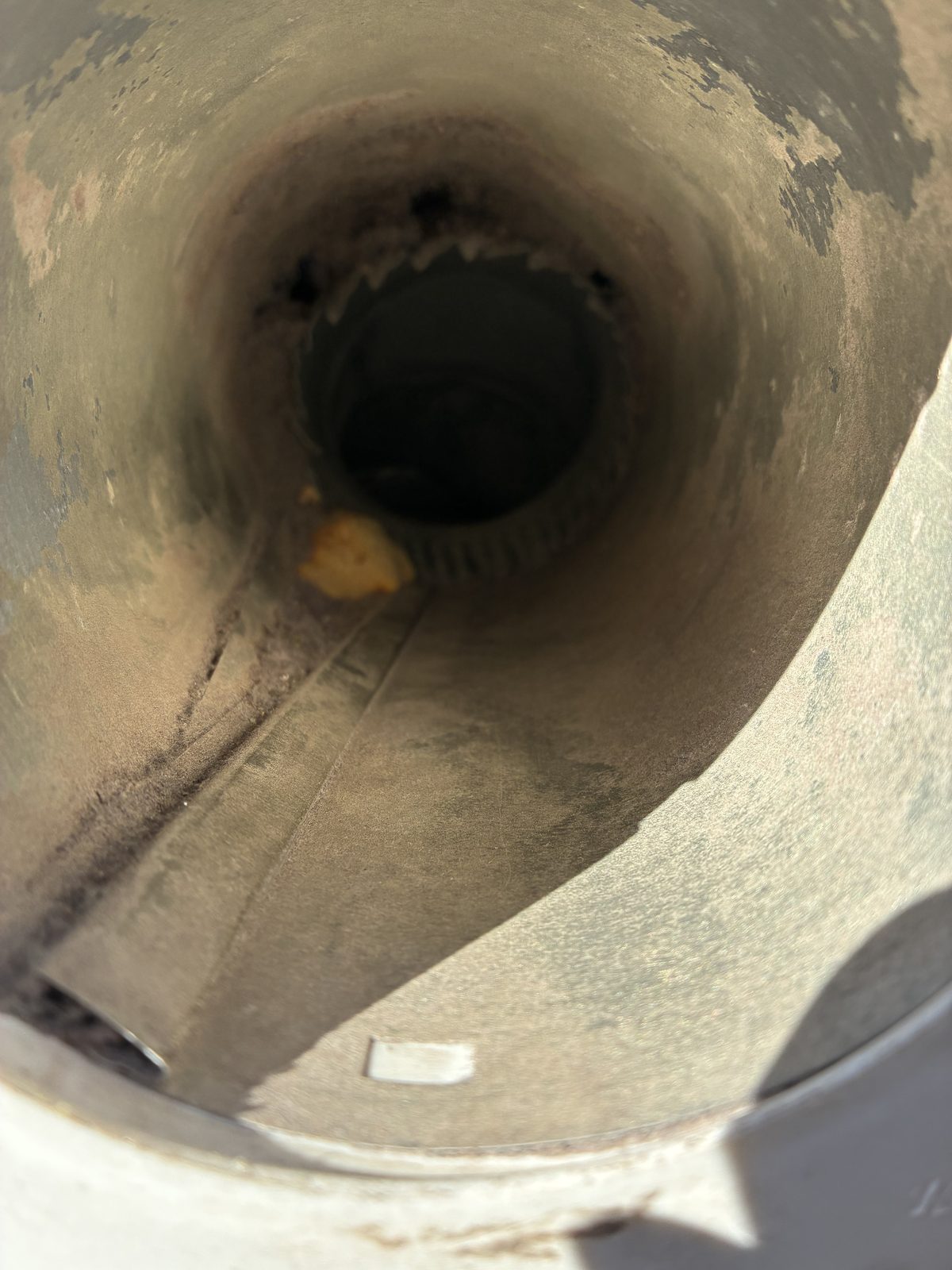
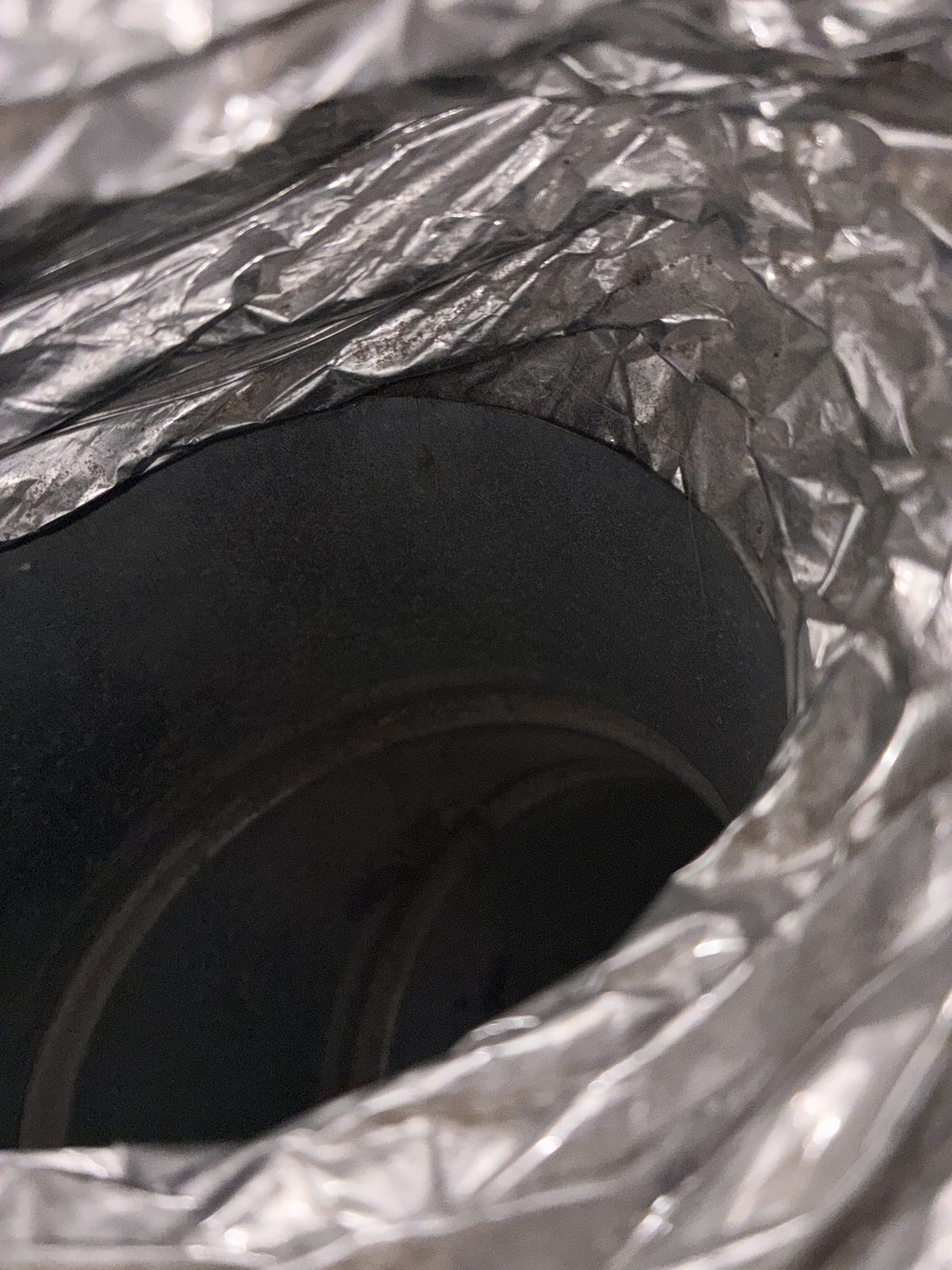
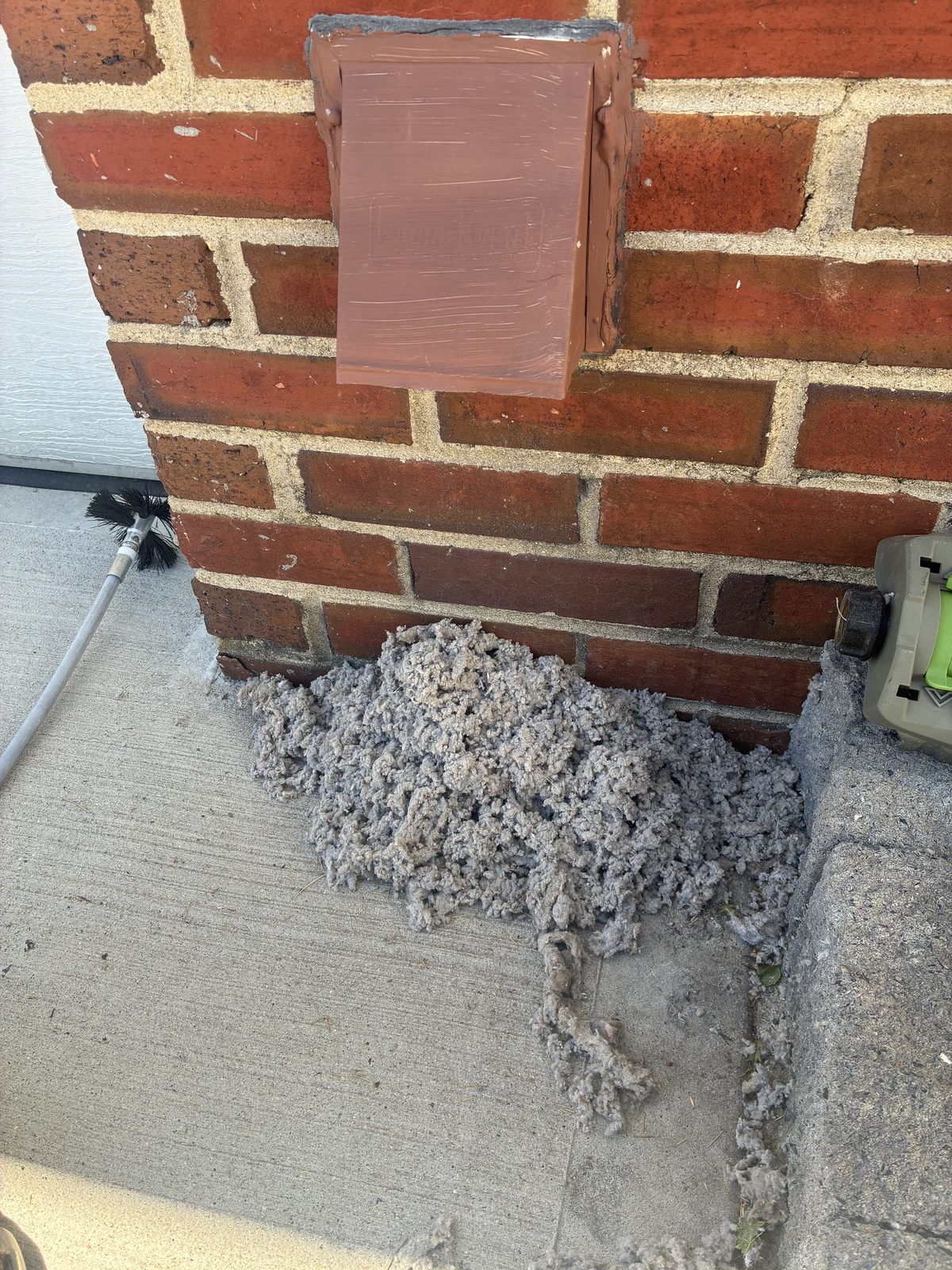
Every image in the gallery comes from real SPR field work. The photographs document the condition our technicians encountered, the tools used, and the cleaned surfaces visible at the end of the visit. We publish this evidence so homeowners can see the care behind the estimate.
Dryer Vent Blockage Removal
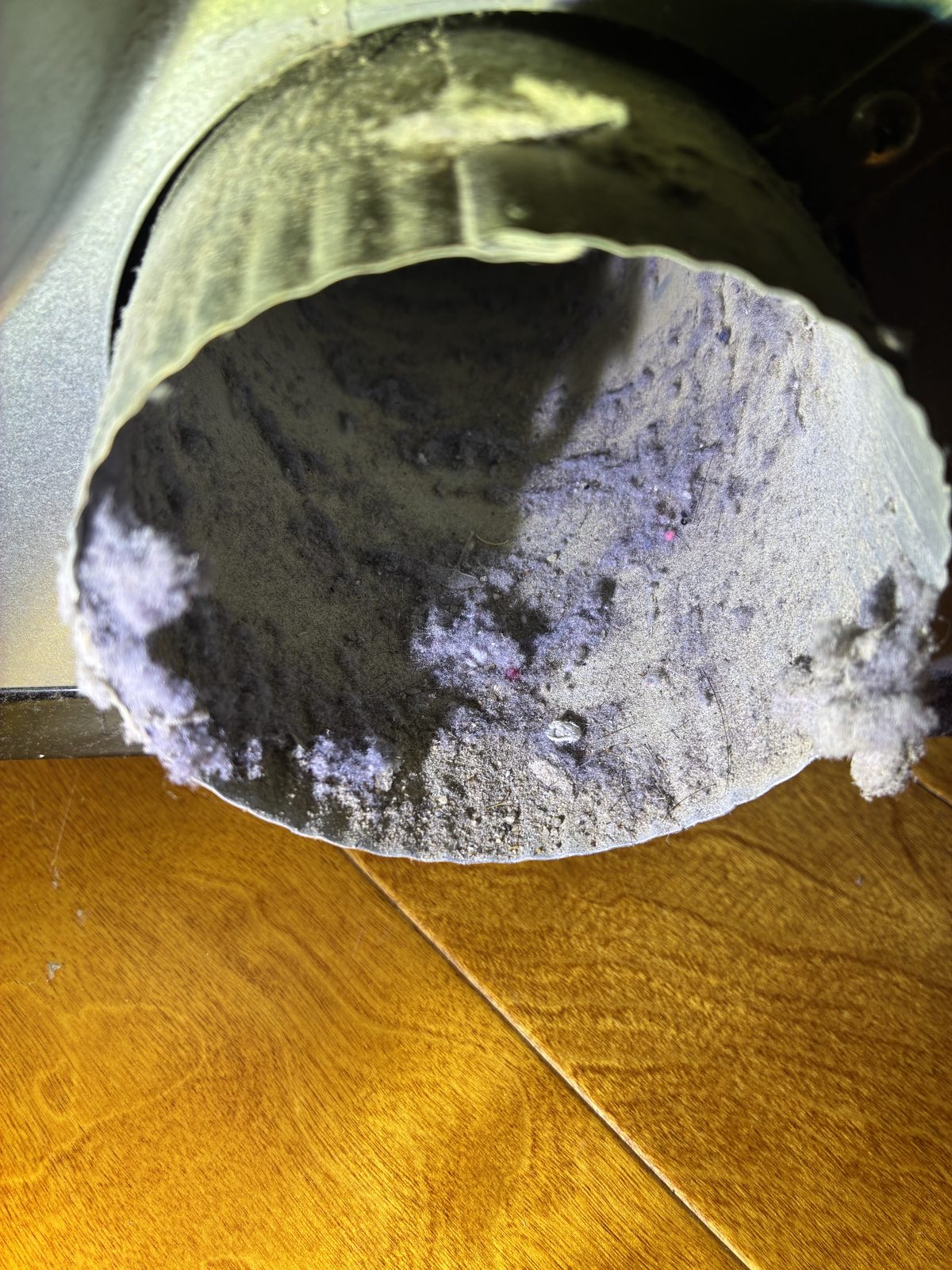
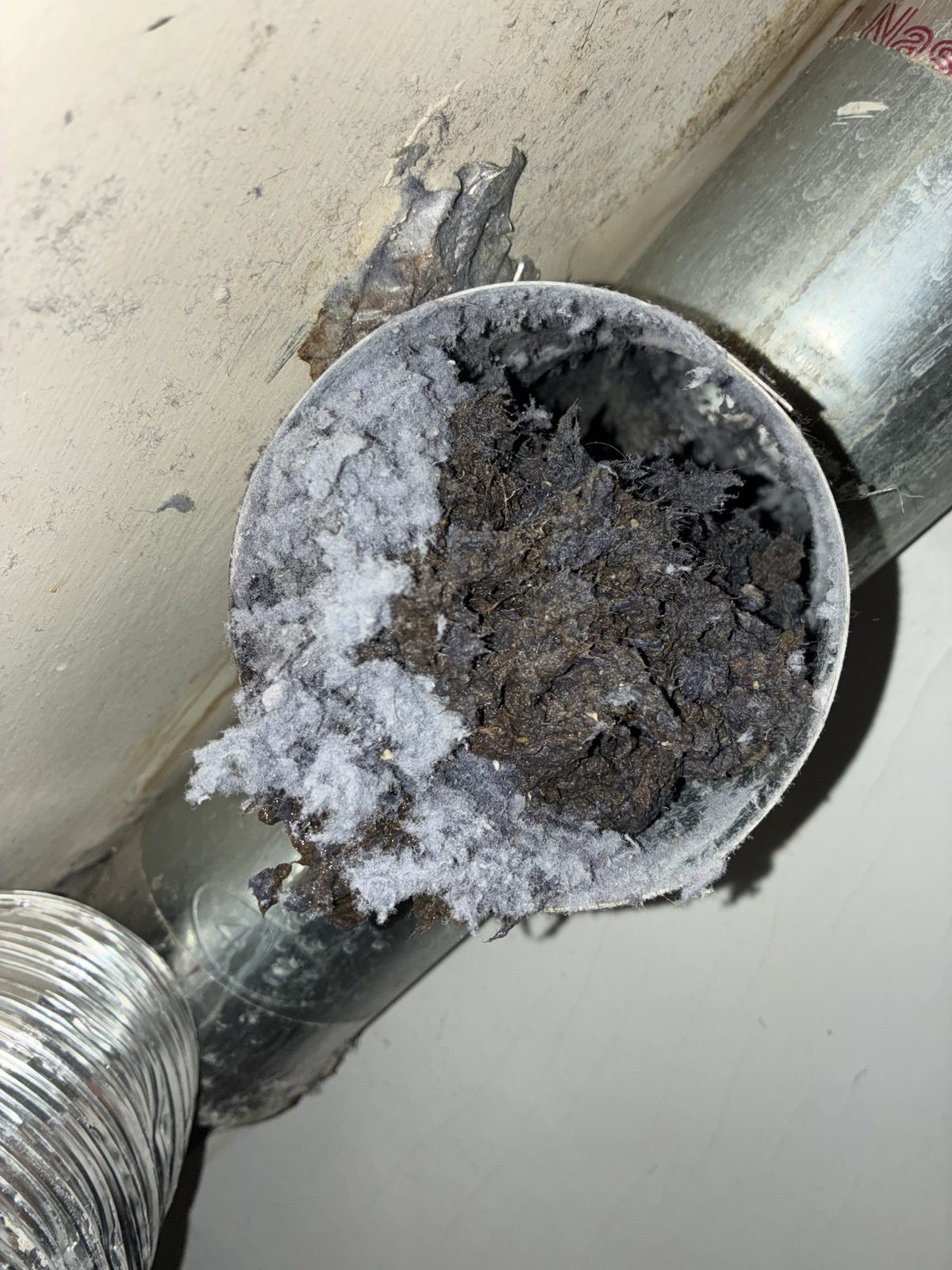
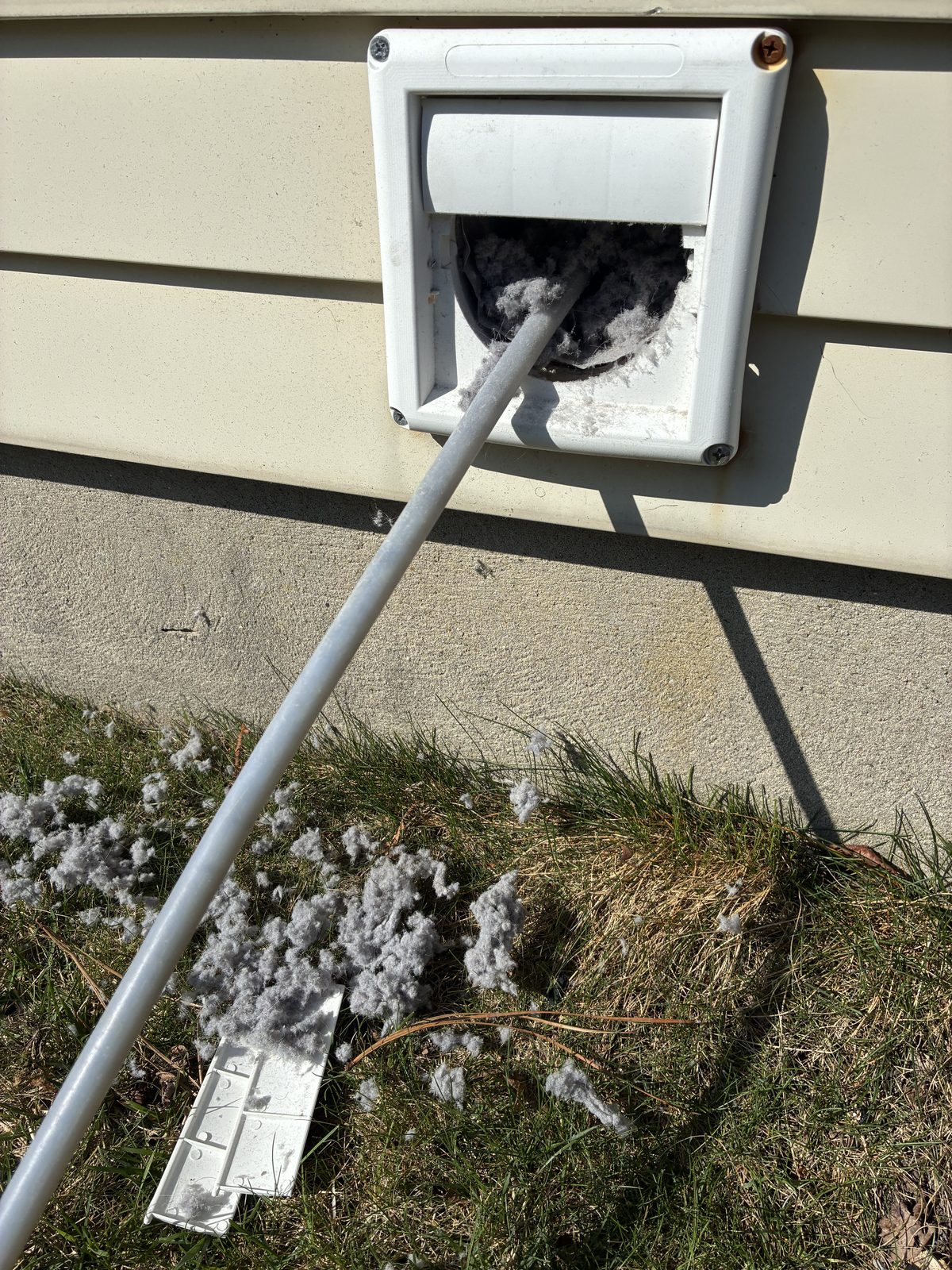
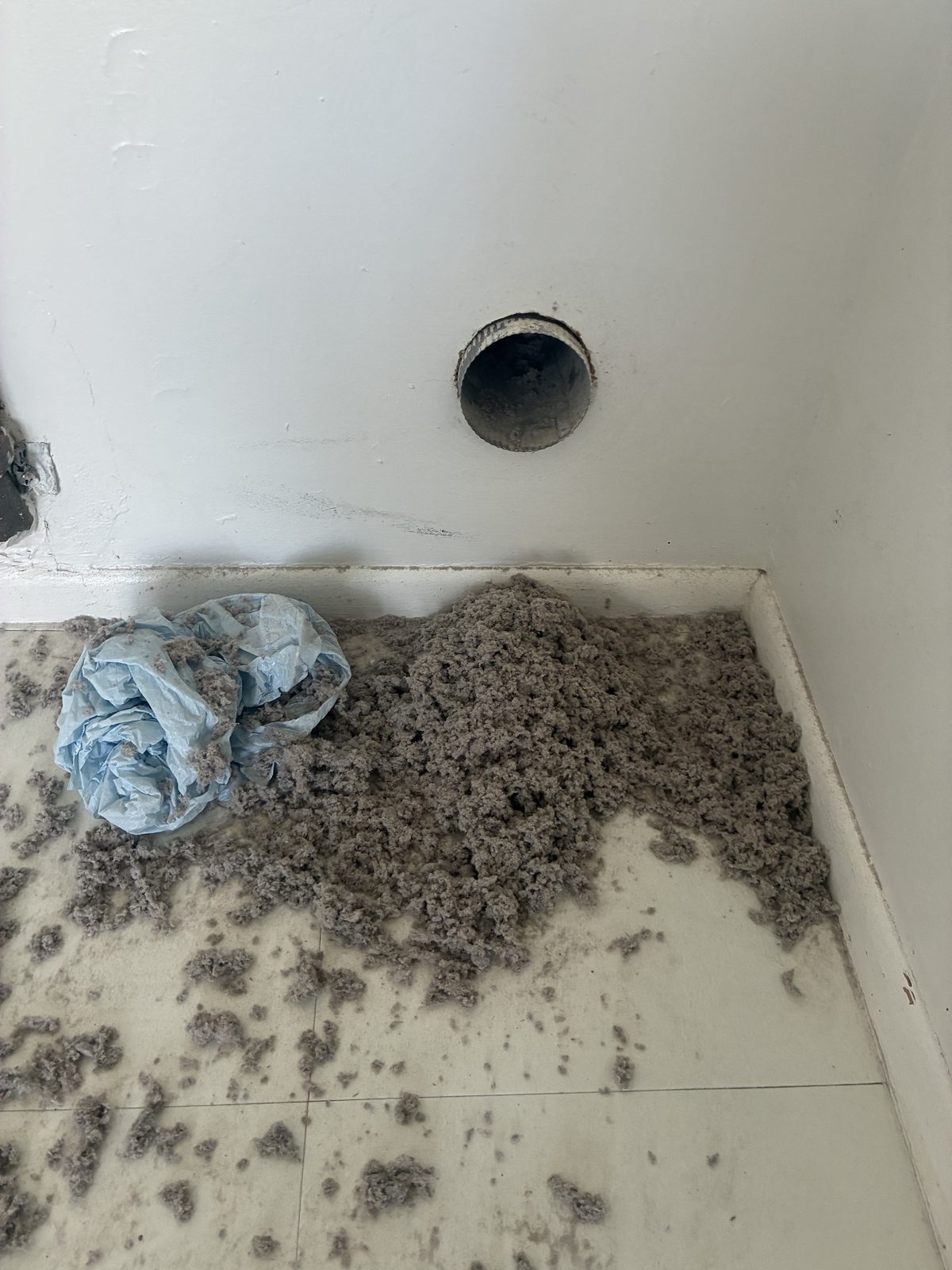
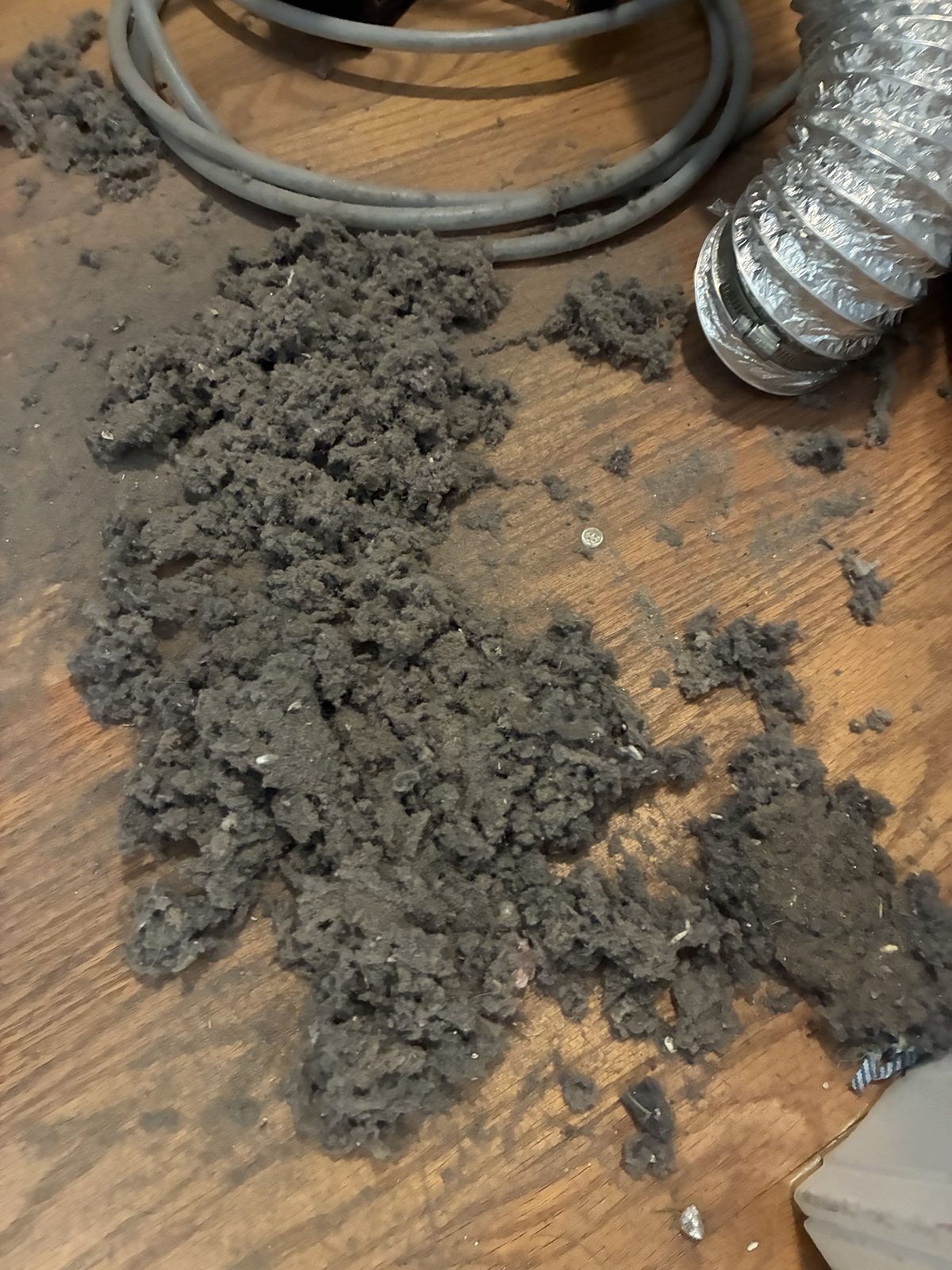
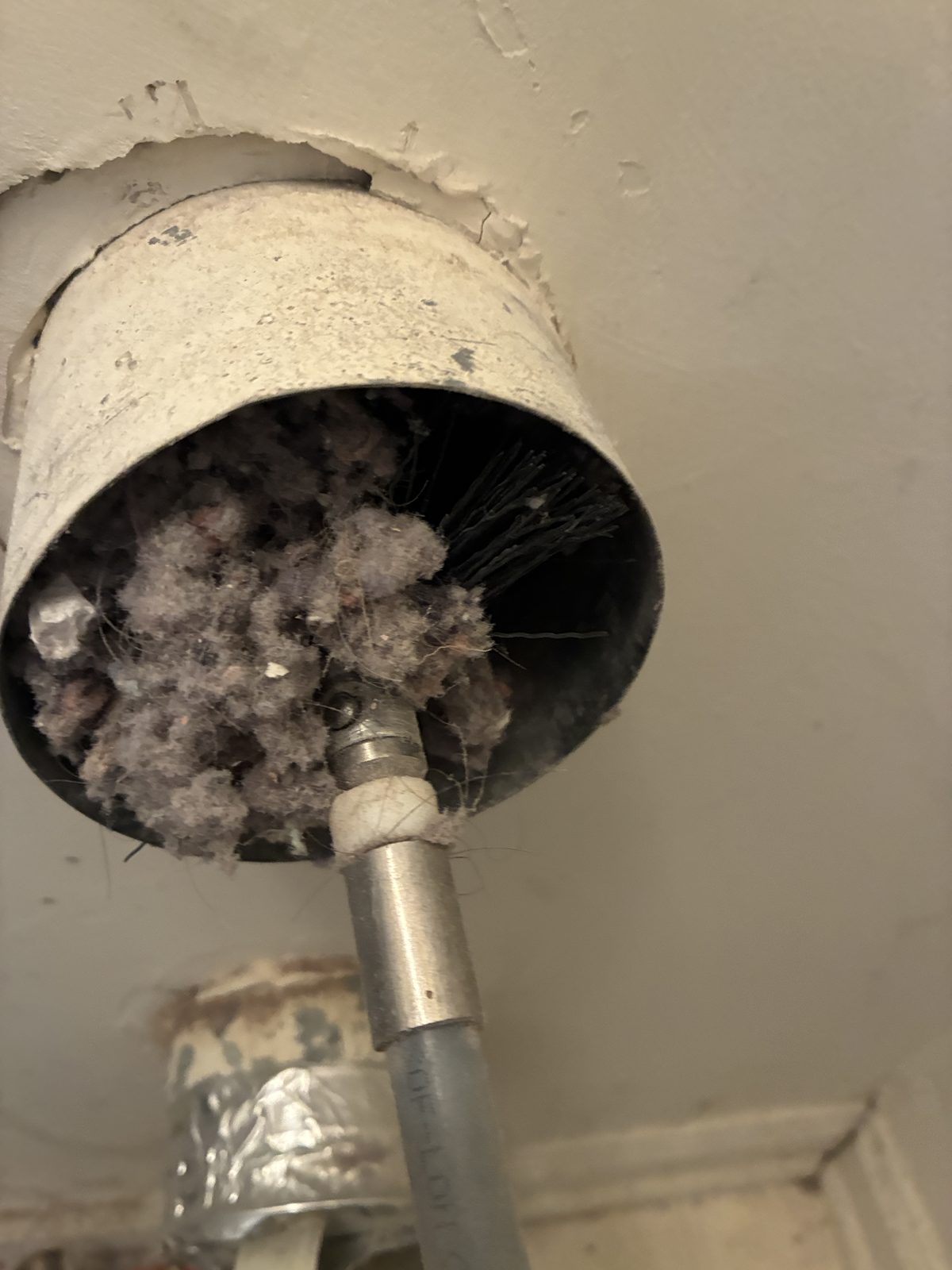
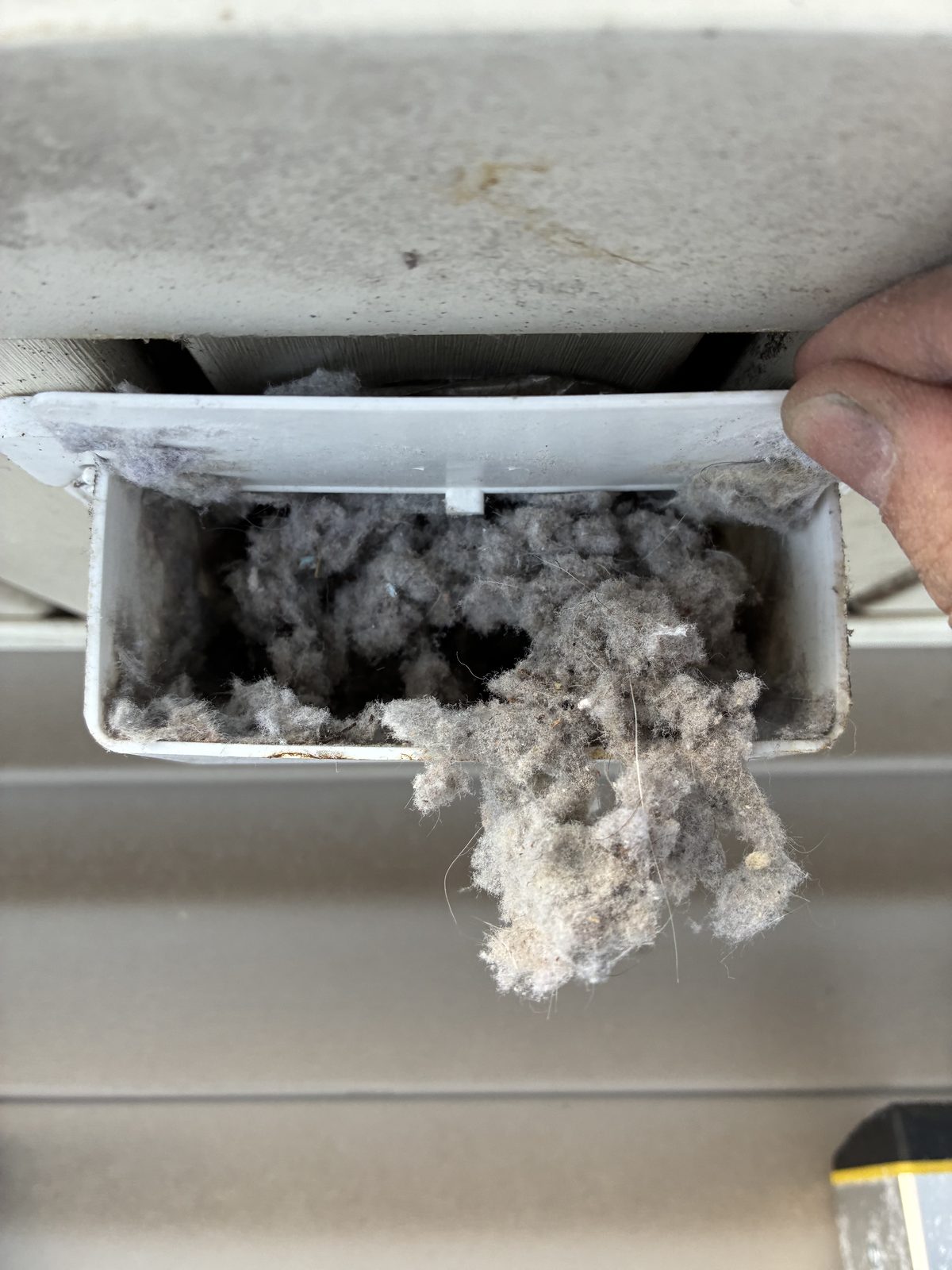
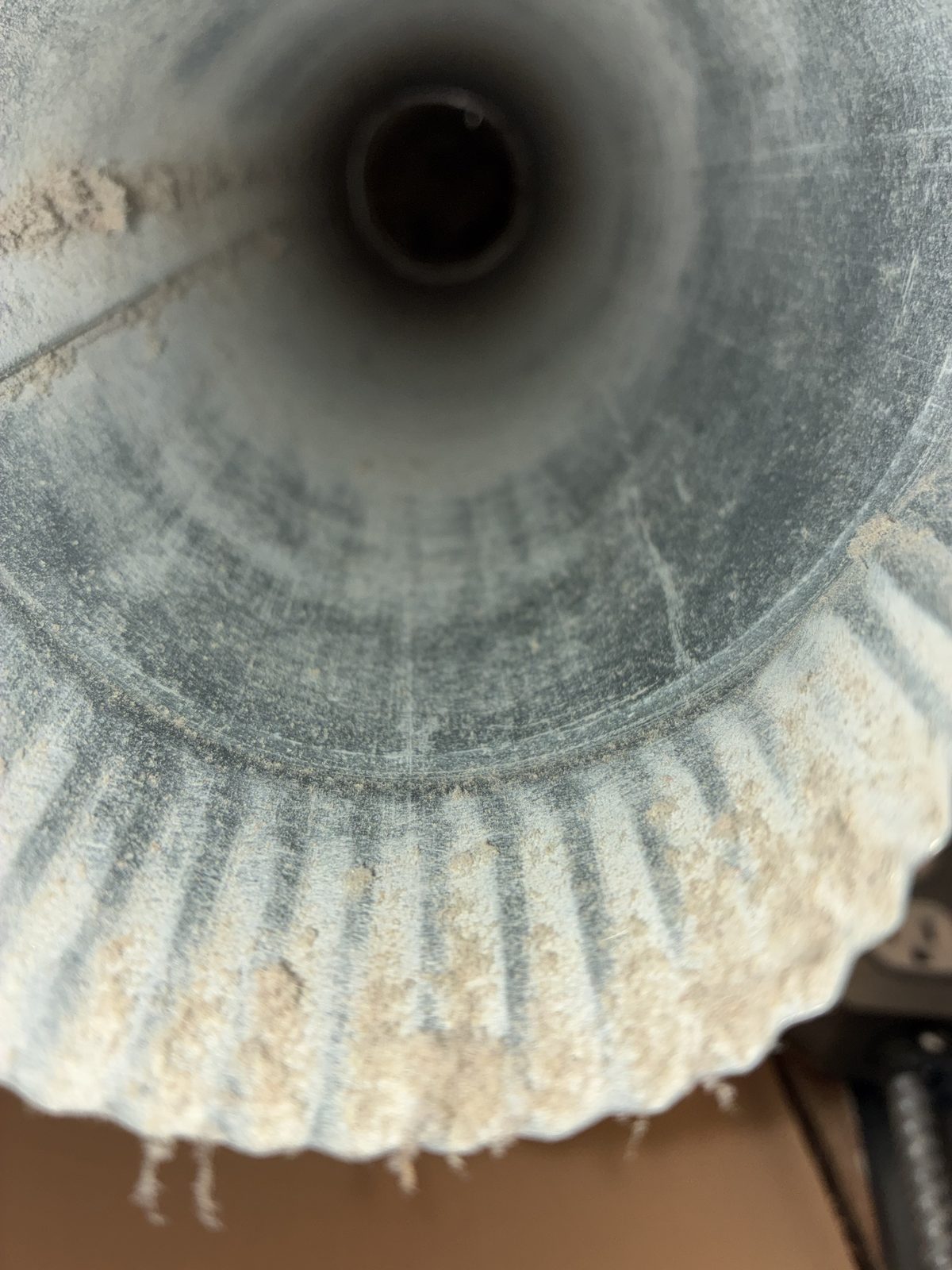
The gallery includes packed lint at interior and exterior vent openings, material removed from the duct, and clear views inside the vent after cleaning. These are the conditions that can restrict airflow and make a dryer work harder.
Rotary-Brush Cleaning in Progress
Several photographs show flexible rotary rods, a vent brush, and vacuum equipment at the work area. The exact setup depends on the route and condition of each vent, and the technician explains the approach before work begins.
HVAC Duct and Register Care
Open registers and cleaned metal duct connections provide visible proof of accessible dust and debris removal. Our team protects the surrounding area, works methodically, and reviews the observable findings with the customer.
How We Document a Cleaning Visit
Good service is more than a finished surface. Our process is designed to give the homeowner a clear account of what was accessible, what was removed, and what the technician observed.
- Inspect. Review the accessible vent, duct, or chimney path and identify the cleaning approach.
- Protect. Prepare the work area and position the appropriate brush and vacuum equipment.
- Clean. Remove accessible lint, dust, soot, creosote, or debris for the service booked.
- Review. Show the visible result, explain findings, and answer questions without a pressure pitch.
How to Read the Photo Evidence
Before-cleaning conditions
Dense lint at a dryer connection, debris at an exterior cap, or visible buildup around an accessible register can help explain restricted airflow or persistent odors. A photograph records the observable condition without turning it into a diagnosis that the image cannot support.
Work-in-progress photographs
Images of the rotary rod, brush, and vacuum show how the technician reached the accessible route. Different homes require different access points, so the field setup is selected after the initial inspection rather than treated as a one-size-fits-all process.
After-cleaning views
Clear views inside accessible metal vent and duct sections help the homeowner verify the visible result. Photos are useful evidence, but they do not replace a complete on-site inspection; the technician also explains any limits of access and answers questions before closing the visit.